


Las Vegas in 3 Days: Complete Itinerary
Las Vegas is a city of perfectly engineered contrasts: a desert basin where neon feels brighter because the horizon is so wide, where a quiet cappuccino can turn into a midnight spectacle in the span of one crosswalk, and where “three days” somehow stretches into a lifetime of scenes you’ll replay on the flight home. The trick isn’t trying to do everything. It’s building a flow that balances the Strip’s biggest moments with the kinds of details you’d miss if you only chased headlines: the way hotel lobbies change scents as you walk through them, the sudden hush inside an art gallery, the first burst of cool air when you step into a casino after a sunlit sidewalk.
This itinerary is designed for first-timers and repeat visitors alike. It’s paced to keep you energized without burning you out, and it includes a few “choose-your-own” switches depending on whether you want more nature, more nightlife, or more old-school Vegas charm.
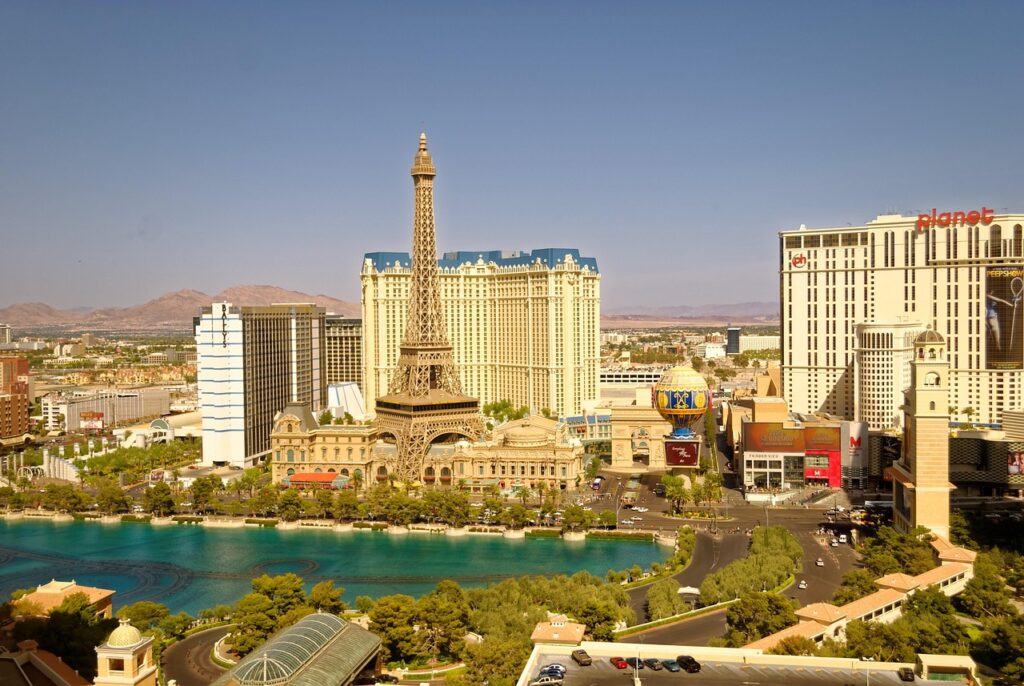
Las Vegas in 3 Days: Complete Itinerary – Index
- 1. Day 0: Before You Land
- 2. Where to Stay for This 3-Day Plan
- 3. Day 1 Morning: The Classic Strip Walk + Iconic Views
- 4. Day 1 Afternoon: Art, Gardens, and a Proper Vegas Lunch
- 5. Day 1 Night: Bellagio Fountains, a Show, and the Best Kind of Late-Night
- 6. Day 2 Morning: Red Rock Canyon Escape (Half-Day Reset)
- 7. Day 2 Afternoon: Pool Time, Shopping, and a Mid-Strip Golden Hour
- 8. Day 2 Night: The Sphere, High-Energy Dining, and a Late Strip Stroll
- 9. Day 3 Morning: Downtown Las Vegas + Fremont Street Energy
- 10. Day 3 Afternoon: Museums, Local Eats, and One Last Splurge
- 11. Day 3 Night: The “Only in Vegas” Finale
- 12. AIREVO Tips for Las Vegas in 3 Days
- 13. FAQs About Las Vegas in 3 Days
Day 0: Before You Land
If Las Vegas has a superpower, it’s how quickly it pulls you into the story. You can be at baggage claim with sleep in your eyes, and forty minutes later you’re holding an iced drink under a chandelier the size of a small planet. To make that transition smooth, plan two things before you arrive: how you’ll connect online and how you’ll move around.
For most travelers, an eSIM is the easiest “quiet win” in Vegas, because you’ll use data constantly—maps for back entrances, ride-share pickup points, show tickets, restaurant waitlists, and all the “Where are we meeting?” texts that happen in a city built on sprawling resorts. If your phone supports eSIM, you can set it up in minutes before the flight; for a simple option, you can use an eSIM from Airalo with a natural data plan for the U.S. Once you land, your phone just works, and that alone makes day one feel calmer.
Next is transportation. If your trip is mostly Strip + Downtown with maybe one organized day tour, you can live happily on ride-shares and taxis. But if you’re doing Red Rock Canyon at your own pace, or you want to take a scenic detour without watching the meter, a rental car becomes the difference between “we should” and “we did.” For flexible pricing comparisons, EconomyBookings is a useful place to check options across major agencies without opening ten tabs. Either way, build your plan around the reality that Las Vegas distances are deceptive: hotels look close, but the blocks are long, and the entrances are often far from where you think they are.
Finally, book your flight with a little strategy. Vegas has huge volume, which often means deals—but prices swing with conventions, sporting events, and weekend surges. If you want a quick way to compare routes and bundle budget airlines with standard carriers, you can check AIREVO while you’re still flexible with dates. The goal isn’t to obsess; it’s to avoid paying “Friday night premium” if you can arrive Thursday or leave Monday.
Where to Stay for This 3-Day Plan
For this itinerary, your hotel choice shapes your experience more than almost any other decision, because it determines how often you’ll walk versus ride, how quickly you can retreat for a shower and a reset, and how late you’ll stay out without feeling like you’ve committed to an expedition home.
If you want maximum efficiency, staying mid-Strip is the sweet spot. It keeps the classic Strip walk doable, makes Bellagio and Caesars-area highlights easy, and lets you pop back to your room between afternoon heat and evening plans. Mid-Strip also tends to feel like “Vegas in your head”: big façades, constant movement, and that cinematic glow that makes even errands feel like scenes.
If you’re a first-timer who wants the iconic postcard version, prioritize a property with strong access to the central pedestrian bridges and a vibe you genuinely enjoy. Vegas is sensory; if your hotel feels stressful, the city doubles it. If you’re a repeat visitor or you prefer calmer mornings, consider a slightly quieter base (north Strip or a resort corridor just off the main drag) and accept a few extra ride-shares as the price of better sleep.
Downtown is its own universe—more compact, often cheaper, and loaded with personality. If you’re the kind of traveler who likes vintage signage, late-night food windows, and neon that feels close enough to touch, downtown can be a fantastic base. In that case, you’ll simply flip the itinerary: start with Fremont Street on day one and do the Strip as a “big day” in the middle.
Day 1 Morning: The Classic Strip Walk + Iconic Views
Start day one early—not because you want to be disciplined on vacation, but because the Strip has a magical window when it’s still waking up. The sidewalks are quieter, the light is softer, and you can actually take photos without feeling like you’re blocking a parade. Grab coffee somewhere simple, then begin a purposeful stroll that hits the “I can’t believe I’m here” landmarks before the midday heat builds.
Your morning anchor is the heart of the Strip: the stretch around Bellagio, Caesars Palace, and The Cosmopolitan. This area has some of the best people-watching in the world, but it also has the most satisfying sense of place. You’ll notice how each resort is designed as a controlled universe—Roman grandeur next door to chic modern glam, a garden corridor leading into a casino floor, an escalator that feels like it’s delivering you into a different decade.
As you walk, don’t rush the transitions. Vegas is all about thresholds: outside to inside, sunlight to cool air, quiet to spectacle. Take ten minutes inside a grand lobby. Look up. Notice the materials. Let your brain clock the fact that you’ve arrived.
If you like audio storytelling—especially on a first visit when everything is unfamiliar—this is a great moment for a self-guided walk that adds context without turning your day into a lecture. A curated audio tour can turn “cool building” into “cool building with a story,” and it helps you catch details you’d otherwise breeze past. For that, you can pick a Strip-focused audio guide on WeGoTrip and listen as you move at your own pace.
Timing the Morning for Comfort
In Las Vegas, comfort is a strategy. Morning is your best chance to enjoy long outdoor stretches without constantly hunting for shade. You’ll walk more, feel better, and still have the option to slow down later. If you can start your day on the sidewalks by 9 a.m., the city feels spacious rather than overwhelming.
When the sun climbs, use the resorts like air-conditioned tunnels. Many hotels connect through promenades, malls, and casino floors. It’s not always intuitive, but once you get the hang of cutting through interiors, you’ll save energy for the parts of Vegas that deserve it.
Day 1 Afternoon: Art, Gardens, and a Proper Vegas Lunch
By early afternoon, shift into indoor gems and a slower rhythm. Vegas rewards pacing: if you try to power through, you’ll hit a wall right when the city gets best.
The Bellagio Conservatory is an easy win because it’s visually lush, seasonal, and genuinely soothing—like a botanical dream staged by theater designers. You don’t need to be a “flower person” to enjoy it; it’s an immersive set, and it resets your senses. From there, drift toward a lunch that feels like an experience rather than fuel. Vegas has everything from celebrity-chef dining rooms to hidden counters in food halls. The smartest move is choosing something that matches your night plans. If you’re doing a big dinner later, keep lunch lighter but memorable. If your evening will be more casual, let lunch be the splurge.
After lunch, pick an afternoon attraction that fits your energy. If you love design and visual culture, you can explore resort galleries, immersive exhibits, or a curated museum experience that contrasts with the casino floors. If you’d rather unwind, this is your first chance to do Vegas properly: a shower, a quick rest, maybe a pool hour, then back out refreshed.
Making Midday Feel Like a Vacation, Not a Sprint
The best Vegas trips have a deliberate “pause” built in. Even a 45-minute reset in your room can turn your evening from “we’re forcing it” into “we’re ready.” This city runs late, and your goal is to meet it there. If you want to add a structured activity—an exhibit, an observation experience, or a guided highlight—booking in advance can save you from sold-out signs and long lines. For a menu of bookable experiences with clear scheduling, Klook is a convenient place to check what’s available on your specific dates, especially if you’re traveling on a busy weekend.
Day 1 Night: Bellagio Fountains, a Show, and the Best Kind of Late-Night
Tonight is your classic Vegas night, but done thoughtfully. Begin with a golden-hour walk when the Strip is glowing and the city feels cinematic. Aim to be near the Bellagio fountains after dark, when the lights reflect on the water and the crowd’s anticipation becomes part of the show.
The Fountains of Bellagio run on a frequent schedule most days, typically every 30 minutes earlier and every 15 minutes later in the evening, with details that can vary by day and conditions. Time it so you see one performance, then cross the street and watch another from a different angle. It sounds small, but perspective changes the feeling: one view is grand and wide, another is intimate and dramatic.
After the fountains, commit to one “produced” Vegas experience: a major stage show, a headliner, or a themed spectacle. Vegas entertainment is a category unto itself; the production value is often absurd in the best way. Choose what genuinely excites you—music, acrobatics, comedy, magic—and build your dinner around that schedule.
If you prefer to keep your night flexible, you can swap the show for a guided nightlife experience or a curated bar route that’s more about atmosphere than tickets. Either way, let your night end with something easy and satisfying: a late-night bite, a dessert run, or a slow walk with the Strip buzzing around you.
Day 2 Morning: Red Rock Canyon Escape (Half-Day Reset)
Day two is where you become a Vegas insider: you leave the neon, touch the desert, and come back feeling like you’ve traveled twice as far as you actually did. Red Rock Canyon National Conservation Area is close enough for a half-day, yet it feels like a different world—rust-colored cliffs, open sky, and trails that remind you the city exists because humans insisted on building it here.
If you plan to drive the Scenic Drive during peak season, know that timed entry reservations may be required for certain months and hours, and the official guidance is worth checking before you go. This isn’t meant to intimidate you; it’s simply the difference between an effortless morning and an unexpected turnaround at the gate. Go early for cooler temperatures and softer light, and bring more water than you think you need.
Once you’re inside, decide what kind of experience you want. Some travelers are happiest with scenic overlooks and short walks that let them absorb the landscape without sweating through their day. Others want a real hike and that satisfying tiredness that makes a pool afternoon feel earned. Either way, Red Rock is the perfect palate cleanser in a city that can be intense.
If you don’t want to drive, you can also book a guided trip that handles transportation and timing. In that case, browsing day tours and outdoor excursions on Klook can help you compare options quickly.
The Desert Is Different Than You Expect
Even when the air feels mild, the sun can be relentless. Shade is rarer than on the Strip, and dehydration sneaks up faster. Dress like you’re going on a real outdoor outing, not just “stepping out for a view,” and you’ll enjoy every minute more. The best part of a nature morning is how good the city feels afterward. When you come back, take a proper shower, put on something fresh, and treat your afternoon like a reward rather than a continuation.
Day 2 Afternoon: Pool Time, Shopping, and a Mid-Strip Golden Hour
This afternoon is designed to feel like Vegas in its most pleasurable form: unhurried, polished, and a little indulgent. If your hotel has a pool scene you actually like, claim a few hours there. Even if you’re not a “pool person,” it’s worth experiencing at least once, because it’s one of the city’s defining rituals. The soundtrack, the sun, the cold drink in your hand—it’s Vegas relaxing, which is its own kind of spectacle.
If pools aren’t your thing, shift the energy to shopping and wandering indoors. Vegas is built for strolling through curated environments: luxury arcades, artful lobbies, and promenades where you can drift without a destination and still feel like you’re doing something. This is also a great slot for a casual activity you can drop into without stress, especially if you didn’t lock in much for day one.
As late afternoon approaches, take a mid-Strip golden-hour walk again. The light in Vegas is dramatic; the desert air makes sunsets feel cinematic. This is when the city becomes most photogenic, and it’s also the perfect time to ease into your night without rushing.
A Small Trick for Feeling Less Tired
Vegas fatigue often comes from sensory overload more than physical effort. Give yourself a short “quiet pocket” in the afternoon—no casinos, no loud music, just a calm café or a relaxed indoor space. It resets your brain, and your evening will feel exciting again.
Day 2 Night: The Sphere, High-Energy Dining, and a Late Strip Stroll
Tonight is about modern Vegas—the kind of experience that didn’t exist a decade ago. The Sphere is the headliner here, because it’s built to overwhelm you in the best way: massive visuals, immersive sound, and a production designed around the venue itself. The Sphere Experience featuring Postcard From Earth is one of the most distinctive “only in Vegas” shows you can do right now, and it’s structured as a multi-part experience that begins before you even enter the main seating bowl.
Plan dinner around your Sphere timing. Aim for something lively—Vegas dining that feels like part of the night out. Then, after the show, don’t rush back. This is one of those nights where the walk is the reward. The Strip after a big experience feels like a moving gallery: reflections in glass, neon bouncing off polished stone, crowds flowing like a river. Pick a direction and stroll until you feel satisfied, then call it.
If you want your Sphere night to be extra smooth, buy tickets early for peak dates and keep your schedule flexible enough to arrive with time to spare. That “no stress” arrival is part of the luxury.
Day 3 Morning: Downtown Las Vegas + Fremont Street Energy
Day three starts downtown, because it shows you a different personality of the city—grittier, more historic, more neon-drenched in a way that feels closer to the street. Fremont Street Experience is the anchor: a covered pedestrian zone with a massive LED canopy that turns the entire street into a living screen.
Come in the morning to see the area with less chaos, then return later if you want the full nightlife pulse. Downtown is also where you’ll find some of the most satisfying “Vegas texture”: vintage signage, old casinos with new energy, and bars that feel like they’ve collected stories for decades.
As you explore, be open to detours. Downtown rewards curiosity more than the Strip does. You might step into a quirky shop, stumble into street art, or find a coffee counter that feels refreshingly normal after two days of curated glamour.
Understanding Fremont’s Light Show Rhythm
The canopy’s shows run nightly on a regular schedule, and the vibe changes by the hour. If you’re sensitive to crowds, daytime is your friend. If you want maximum energy, come back after dark when the street feels like a party that stretches on and on.
Downtown has layers—old Vegas, reinvention, local culture—and it can be more meaningful with a little narrative. If you like learning as you walk, a downtown-focused audio tour on WeGoTrip can help you connect the sights to the city’s history without needing a guided group.
Day 3 Afternoon: Museums, Local Eats, and One Last Splurge
This afternoon is your chance to personalize the trip. Think of it as a curated “memory builder” before your final night. If you want culture, choose a museum experience that contrasts with the Strip’s fantasy. If you want pure fun, pick an activity that feels playful—something you’ll talk about when people ask, “What did you do in Vegas?”
Food-wise, make this meal count in a different way than your big Vegas dinner. Go local, or go specific. Find a place that does one thing exceptionally well. Vegas is full of high-end rooms, but some of the most memorable bites happen in places that feel unpretentious and real.
If your luggage situation is awkward today—maybe you checked out but still want to explore—Vegas is a city where storing bags can instantly improve your last-day quality of life. Using a luggage storage service like RadicalStorage lets you roam freely instead of dragging a suitcase through resorts. It’s a small upgrade that can save your mood.
Day 3 Night: The “Only in Vegas” Finale
For your final night, go for the thing you can’t replicate anywhere else. Maybe it’s a big production show you’ve been debating, a headline concert, or a glamorous lounge where you dress up just because you can. This is also the night to revisit your favorite part of the trip: if the Strip felt like your movie, go back for one last walk. If downtown felt like your heartbeat, return to Fremont and lean into the energy.
If you want a simple, perfect ending, do this: start with dinner somewhere that feels celebratory, then take one last unhurried stroll past the landmarks that defined your three days. Finish near the Bellagio fountains or another iconic scene and let yourself watch—not through your camera, but with your full attention. The city is built for spectacle, but the real magic is the feeling of being there. And when you head back to your hotel, take the long way if you have it in you. Vegas is the rare place where walking is part of the entertainment.
AIREVO Tips for Las Vegas in 3 Days
Las Vegas gets easier—and better—when you treat it like a series of chapters instead of one long, loud sentence. Build your days around “anchors” you care about, and let everything in between be wandering and discovery. The city is engineered to distract you; that’s not a flaw, it’s the point. Your job is simply to decide which distractions are worth your time.
Hydration and pacing aren’t boring advice here; they’re how you unlock the fun. Drink water like it’s part of the itinerary, especially if you’re mixing sunshine, air conditioning, cocktails, and long walks. A quick reset in your room isn’t “wasting time,” it’s buying back your night. Vegas rewards the traveler who can stay curious at 10 p.m. without feeling wrecked.
Don’t underestimate how much smoother your trip feels when the logistics are handled quietly. Having data the moment you land, knowing how you’ll get to Red Rock, and having tickets sorted for one key night all reduce decision fatigue. That frees your brain for the part you actually came for: stepping into a city that feels like a stage set and letting it surprise you.
Finally, take at least one moment each day that isn’t optimized. Sit somewhere beautiful. Watch people. Notice the details. The best Vegas memories often happen in the pauses.
To keep planning effortless, it helps to pair this itinerary with a couple of focused guides you can dip into whenever you have an extra hour (or want to swap in a different vibe). If you’re looking for more ideas beyond the headline attractions—shows, neighborhoods, viewpoints, museums, and day-trip inspiration—check out our full round-up of things to do in Las Vegas. And if you want to balance your budget without missing out, our guide to free things to do in Las Vegas is packed with experiences that feel iconic, not “cheap”—perfect for filling daytime gaps, adding spontaneous stops, or extending your trip without spending more.
FAQs About Las Vegas in 3 Days
Is 3 days enough for Las Vegas?
Three days is enough to see the Strip highlights, experience a major show, spend time downtown, and do one nature escape like Red Rock Canyon. You won’t do everything, but you’ll get a full, satisfying arc—especially if you pace your afternoons and plan one or two “must-do” evenings.
What’s the best way to get around the Strip?
Walking is great for short stretches, but distances are longer than they look, and resort entrances can be far from the sidewalk. Mix walking with ride-shares or taxis when you’re tired or running on a schedule. Using indoor resort corridors can also save energy during the hottest part of the day.
Do I need a car for this itinerary?
Not for the Strip and downtown portions. A car becomes most useful if you want to visit Red Rock Canyon on your own schedule or add extra day trips. Otherwise, you can book guided tours or use ride-shares.
When should I see the Bellagio fountains?
After dark is the classic choice because the lights amplify the atmosphere, and it pairs perfectly with an evening stroll. The fountains run frequently most days, usually every 30 minutes earlier and every 15 minutes later at night, but schedules can vary.
How do I avoid long lines and sold-out attractions?
For popular experiences—especially on weekends—booking tickets in advance is the easiest way to protect your time. Keep your itinerary flexible, but lock in one or two headline items (like a top show) so the trip’s “big moments” are guaranteed.
Is Fremont Street worth it if I’m staying on the Strip?
Yes, because it’s a completely different vibe: more compact, more neon-history energy, and a nightlife scene that feels closer to the street. The canopy light shows are a signature downtown experience and run nightly on a set schedule.
Do I need timed entry for Red Rock Canyon?
Timed entry reservations may be required for the Scenic Drive during certain months and hours, particularly in the busier season. It’s best to check the official guidance before you go so you don’t get turned away.
Do not miss our newest articles!
All Rights Reserved.
Made with 🧡 by Marc Guerrero.
Made with 🧡 by Marc Guerrero. All Rights Reserved | Affiliate Disclosure | Cookies Policy | Legal Notice | Privacy Policy | Terms & Conditions