


Best Time to Visit Chicago: Weather, Events & Crowds
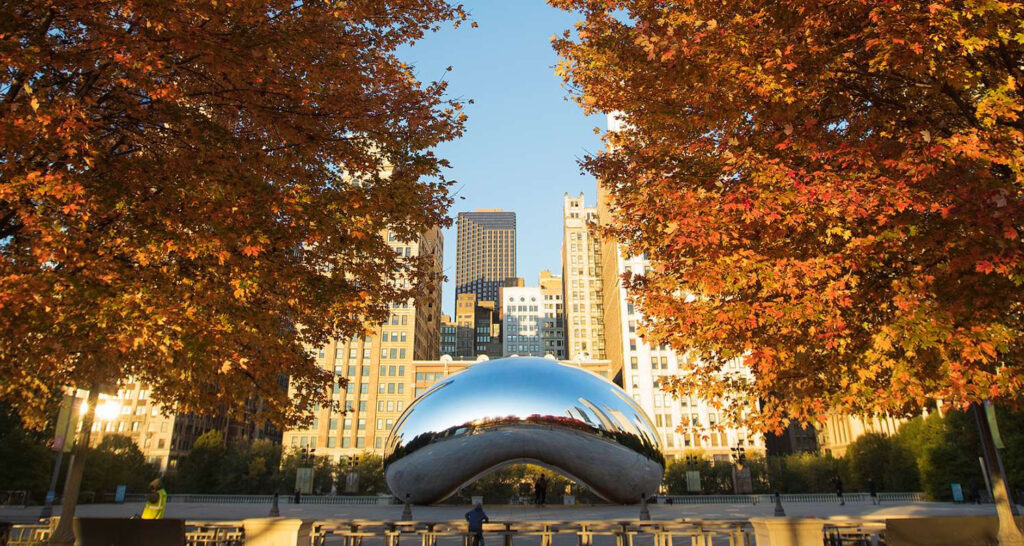
Chicago isn’t one city—it’s four, depending on the season. In summer, it’s a lakefront playground with festivals and patio nights that stretch late. In winter, it’s dramatic, wind-whipped, and built for museums, deep-dish, and cozy jazz bars. If you want the “best time to visit Chicago” answer that works for most travelers, aim for early fall—September through early October: warm, comfortable days, lower “sticky” humidity than peak summer, and a city that’s genuinely fun to explore on foot.
Best Time to Visit Chicago – Index
- 1. Why Early Fall Is the One Best Choice for Most Travelers
- 2. Spring: Fresh Air, Fewer Crowds, Unpredictable Weather
- 3. Summer: Peak Chicago (Festivals, Lake Days, Higher Prices)
- 4. Winter: Museums, Deals, and the Full “Windy City” Experience
- 5. Month-by-Month Snapshot: What Changes Fast
- 6. Events That Can Spike Prices Overnight
- 7. How to Pick Your Dates by Travel Style
- 8. AIREVO Tips for a Smooth Chicago Trip
- 9. FAQs About Best Time to Visit Chicago
Why Early Fall Is the One Best Choice for Most Travelers
If you’re trying to maximize enjoyment and minimize friction, September and early October are Chicago’s easiest win. You get the best version of the city’s biggest strengths—walking neighborhoods, architecture, lakefront paths, rooftop views—without the peak-summer crush or the midwinter bite. Early fall still feels lively, but the pace is more breathable: you can linger in Millennium Park, do a long Riverwalk stroll, and keep going without feeling wrung out by heat or humidity.
It’s also the most forgiving season for first-timers. You can build a classic Chicago mix (one skyline moment, one museum, one neighborhood food crawl, one “just wander” afternoon) and it all works naturally. If you’re flying in for a fall weekend, prices can jump around, so this is the natural moment to compare flexible flight dates on AIREVO before you lock everything in.
Spring: Fresh Air, Fewer Crowds, Unpredictable Weather
Spring in Chicago feels like the city exhaling after winter—parks wake up, patios start flirting with opening day, and the lakefront becomes tempting again. It’s a great time if you want fewer crowds and a more local feel, but it comes with a Chicago classic: rapid weather mood swings. You might get a blue-sky day that feels like summer, then wake up to wind and a jacket emergency.
If you don’t mind packing layers and staying flexible, spring can be a sweet spot—especially for travelers who prioritize museums, architecture, food, and neighborhood wandering over beachy lake days. It’s also a season where a self-guided experience can add texture without turning your day into a rigid schedule; an audio walk that explains the city’s architecture or the stories behind downtown can fit naturally via WeGoTrip.
Summer: Peak Chicago (Festivals, Lake Days, Higher Prices)
Summer is Chicago at full volume: lakefront energy, street festivals, baseball afternoons, rooftop nights, and a calendar that never stops. It’s also the busiest—and often priciest—time to visit. Weather-wise, summer brings warmth and humidity, and it’s also the time of year with more frequent wet days (June stands out for wet-day averages).
If you love festivals, summer can be worth the premium. Big events like Lollapalooza (typically late July/early August) can make hotels and flights surge, and the festival’s official site is the most reliable place to track dates year to year. If you’re planning lots of attractions (observation decks, cruises, tours), you may want to take a look at Klook.
Winter: Museums, Deals, and the Full “Windy City” Experience
Winter is the season people fear—and quietly, the season some travelers adore. Yes, it’s cold, and yes, the wind is real. But if you’re the kind of traveler who prefers galleries, jazz clubs, iconic food, and atmospheric city streets, winter can feel like Chicago in its most cinematic form. It can also bring better value outside holiday peaks, especially midweek.
This is when you lean into “indoor Chicago”: world-class museums, long meals, theaters, and warm cocktails. Pack properly, keep your plans cluster-based (don’t crisscross the city all day), and winter stops feeling like a challenge and starts feeling like a vibe.
Month-by-Month Snapshot: What Changes Fast
Rather than memorizing every month, focus on the big shifts. May–June is when Chicago starts to feel fully awake, but June also trends wetter. July–August is peak summer energy and peak demand, with major festivals and heavy tourism. September–early October is the most universally comfortable window for exploring. November–March is cold-season Chicago, with January especially known for deep winter conditions.
If you’re choosing between two close date ranges, pick the one that makes your daytime walking plans easier. Chicago rewards wandering, and comfort is what turns “we’ll see a few things” into “we accidentally had the best day.”
Events That Can Spike Prices Overnight
Chicago pricing follows the calendar as much as the weather. Festival weekends and major city events can change hotel rates fast—especially in summer. Lollapalooza is the obvious one. Another example: Taste of Chicago can draw big crowds, and official city tourism sources publish dates that help travelers plan around demand (for example, Taste of Chicago 2026 is listed for early July).
The practical move is simple: once you pick a season, check whether your week overlaps a major event. If it does and you’re excited, book early. If it does and you’d rather have breathing room, slide your trip by a week and you often get a calmer (and sometimes cheaper) version of the same city.
How to Pick Your Dates by Travel Style
If you want the easiest, most “all-around” trip—walking, architecture, neighborhoods, food—choose September or early October, and travel Sunday to Thursday if you can for better value and fewer crowds. If your dream is “summer Chicago,” embrace late June through August, but expect higher prices and more competition for popular hotels and restaurants.
If you’re adding day trips beyond the city—Indiana Dunes, Milwaukee, or a countryside loop—having a rental car with EconomyBookings can make your timing more flexible.
AIREVO Tips for a Smooth Chicago Trip
Chicago trips feel best when you plan like a local: one “anchor” per day, then space to drift. Pick a headline moment—an architecture cruise, a museum block, a skyline view at golden hour—and let the rest be neighborhood discovery. The city’s magic is often in the in-between: the café you duck into when it starts to drizzle, the tiny gallery you didn’t expect, the live music you hear through an open door.
Design your days around wind and distance. Chicago looks compact on a map, but hopping neighborhoods eats time—especially in winter. Group plans by area, and keep one flexible slot each day for whatever the city feels like offering. If you’re arriving from abroad, having data the moment you land makes everything smoother—transit directions, last-minute reservations, ride shares—you may want to take a look at Airalo.
Finally, keep your arrival and departure days useful. If your flight timing leaves you in that awkward window after checkout, storing your bags with Radical Storage can turn “dead time” into a bonus afternoon—one more deep-dish stop, one more lakefront walk, one more skyline photo.
To round off your planning, it also helps to skim a few focused guides before you lock your dates and start booking: our deep-dive on best things to do in Chicago, our curated list of free things to do in Chicago for those “bonus moments” between big plans, and our practical itinerary Chicago in 3 days if you want a ready-made structure you can tweak to your pace and budget.
FAQs About Best Time to Visit Chicago
What is the single best month to visit Chicago?
For most people, September is the sweet spot: warm, comfortable exploring weather and a city that’s easy to enjoy on foot before colder temps settle in.
When is the cheapest time to visit?
Often midweek (Sunday–Thursday) and outside major summer festival weekends, when demand can drive hotel rates up.
Is summer a bad time to go?
Not at all—summer is peak Chicago for festivals and lakefront energy. It’s just busier, pricier, and more likely to include humid days and rain interruptions.
Is winter worth it?
Yes if you like museums, dining, and a quieter city vibe. Expect true cold (especially in January), and plan more indoor-heavy days.
When should first-timers go?
Aim for early fall (September/early October) for the most universally comfortable, “do everything” experience.
How many days do you need?
Most travelers feel satisfied with 3–4 days: enough for downtown highlights, one or two neighborhoods, and at least one signature experience without rushing.
Do not miss our newest articles!
All Rights Reserved.
Made with 🧡 by Marc Guerrero.
Made with 🧡 by Marc Guerrero. All Rights Reserved | Affiliate Disclosure | Cookies Policy | Legal Notice | Privacy Policy | Terms & Conditions