


Best Time to Visit New Orleans: Weather, Festivals & Crowds
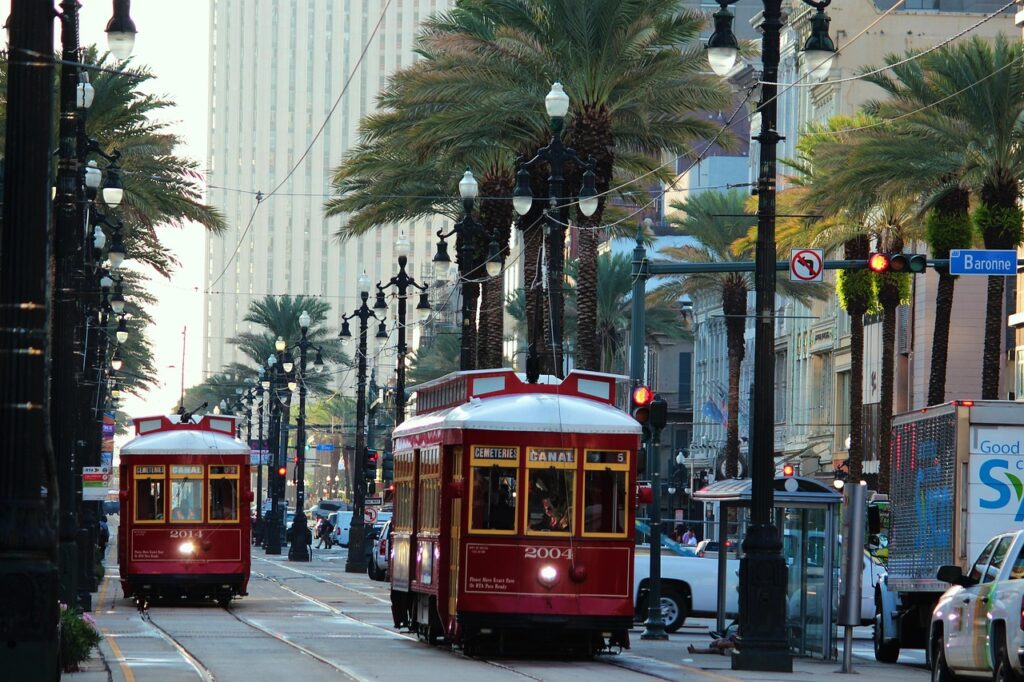
New Orleans isn’t just a destination—it’s a mood that changes with the weather. Some months feel like an open-air jazz club (comfortable nights, patio dinners, long walks through the French Quarter). Others feel like stepping into a warm, wet hug where you plan your day around shade, iced coffee, and air-conditioning. If you want the “one chosen” answer that works for most travelers, aim for late fall—especially October and November: milder humidity, fewer rain days than summer, and a city that’s easy to explore on foot.
Best Time to Visit New Orleans – Index
- 1. Why Fall Is the One Best Choice for Most Travelers
- 2. Spring: Festival Season (Amazing, but Busy)
- 3. Summer: Cheap, Lush, and Very Humid
- 4. Winter: Cozy Vibes and Clearer Streets
- 5. Month-by-Month Snapshot: What Changes Fast
- 6. Events That Can Spike Prices Overnight
- 7. How to Pick Your Dates by Travel Style
- 8. AIREVO Tips for a Smooth New Orleans Trip
- 9. FAQs About Best Time to Visit New Orleans
Why Fall Is the One Best Choice for Most Travelers
If you’re trying to maximize enjoyment and minimize friction, October and November are the easiest months to recommend. The air is still warm enough for outdoor dining and late-night wandering, but you’re not dealing with peak summer humidity or the heaviest stretch of wet days. October is also one of the drier-feeling months compared with midsummer, which matters a lot in a city where “just walking around” is half the point.
Fall also makes New Orleans feel effortlessly walkable. You can drift from the French Quarter into the Marigny, pop into a courtyard bar, detour for beignets, and keep going—without feeling like you need a shower by lunchtime. If you’re flying in for a fall weekend, prices can jump around, so this is the natural moment to compare flexible flight dates on AIREVO before you lock everything in.
Spring: Festival Season (Amazing, but Busy)
Spring is New Orleans at full volume: the city leans into celebration, and the calendar fills with reasons to visit. The trade-off is that you won’t be the only one who had the idea. If you come for Carnival, it helps to know the anchor date: Mardi Gras 2026 falls on February 17 (and the weeks leading up to it are when the city truly starts humming).
Then there’s Jazz Fest, another major draw that can make hotels and flights surge. Official announcements for Jazz Fest 2026 place it in late April into early May, a period many travelers adore for energy and weather—if they plan early. If your dream is “festival New Orleans,” spring is unbeatable. If your dream is “romantic, unhurried New Orleans,” spring can still work—you just want to avoid the biggest event weeks.
Summer: Cheap, Lush, and Very Humid
Summer in New Orleans can be a deal-maker and a deal-breaker at the same time. The city is green, the evenings are lively, and you can sometimes find better rates—but it’s also the most humid stretch, and it tends to be rainier. Weather patterns show the wetter season running through summer, with July standing out for frequent wet days.
If you go in summer, the best trips are built around rhythm. Do your outdoor exploring early, take a long lunch break, and save the rest for indoor magic: live music venues, museums, long dinners that stretch into the night. Summer is also when a good eSIM can quietly improve your day—rideshares, maps, reservations, last-minute tickets—count on Airalo if you’re arriving from abroad and want instant data without hunting for a local SIM.
Winter: Cozy Vibes and Clearer Streets
Winter is underrated in New Orleans. It’s not “beach warm,” but it can feel pleasantly mild compared to many U.S. cities, and the humidity is often calmer than summer. You get the kind of evenings that are perfect for cocktail bars, live jazz, and long, candlelit meals—without the city feeling overwhelmed by peak-season crowds.
It’s also a smart season for travelers who want the culture without the chaos. You can take your time in the French Quarter, actually hear the music on the street, and grab tables at popular restaurants with less strategic planning. And if you’re the type who loves wandering with a light jacket and a loose plan, winter can feel like the city is letting you in on a secret.
Month-by-Month Snapshot: What Changes Fast
Rather than memorizing every month, focus on the big shifts. February through early May is “festival-ready New Orleans,” with major peaks around Mardi Gras and Jazz Fest. June through September is “summer New Orleans,” where humidity and frequent rain shape how you plan your days. October and November bring the most broadly comfortable mix for walking, eating, and exploring. December and January often feel calmer and more local—great for travelers who want the vibe without the crowds.
Events That Can Spike Prices Overnight
New Orleans is an event city, and pricing follows the calendar more than the thermometer. The obvious one is Mardi Gras—hotel availability and rates can change dramatically as the date approaches, especially for the final weekend and Fat Tuesday. Jazz Fest can do the same in late April/early May.
The practical move is simple: once you pick a season, check whether your week overlaps with a major festival. If it does and you’re excited, book early. If it does and you’d rather have breathing room, slide your trip by a week or two and you’ll often get a calmer (and sometimes cheaper) version of the same city.
How to Pick Your Dates by Travel Style
If you want the easiest, most “all-around” trip—walking, food, music, neighborhoods—choose October or November and, if you can, travel Sunday to Thursday for better value and fewer crowds. If you want the iconic, bucket-list version of New Orleans, build your trip around Mardi Gras (with the understanding that it’s intense, crowded, and unforgettable). If you want music and big-stage energy, plan for Jazz Fest and treat it as the centerpiece of your itinerary.
If you’re adding day trips—plantations, swamp tours, bayou drives—having a rental car with EconomyBookings can make your timing more flexible.
AIREVO Tips for a Smooth New Orleans Trip
New Orleans rewards travelers who plan lightly but intentionally. Pick one anchor per day—a live music night, a signature meal, a guided experience—and let the rest be improvisation. The city’s best moments are rarely the ones you schedule to the minute; they happen when you follow a sound down a side street or accept a recommendation from a bartender who speaks in absolutes about gumbo.
Design your days around comfort, not ambition. In warm months, explore early and give yourself long breaks so you don’t arrive at night exhausted. In cooler months, lean into long walks and linger-worthy patios. The goal is to keep your energy high enough to say yes when the city offers you something unexpected.
If you want a richer first day without overcommitting, a self-guided audio walk can be a perfect “soft structure”—especially in the French Quarter where every block has stories. This is a natural place to weave in WeGoTrip as an optional add-on that helps you notice the details most visitors walk right past.
Finally, keep your arrival and departure days useful. New Orleans is a city where a single extra hour can mean one more café stop, one more record shop, one more quiet wander before the airport. If you’re in that in-between window after checkout, storing your bags with Radical Storage can turn “dead time” into a final mini-adventure.
To round off your planning, it also helps to skim a few focused guides before you lock your dates and start booking: our deep-dive on things to do in New Orleans, our curated list of free things to do in New Orleans for those “bonus moments” between big plans, and our practical itinerary New Orleans in 3 days if you want a ready-made structure you can tweak to your pace and budget.
FAQs About Best Time to Visit New Orleans
What is the single best month to visit New Orleans?
For most people, October is the sweet spot: comfortable exploring weather, lower summer-style rainfall pressure, and an easy, walkable city vibe.
When is the cheapest time to visit?
Often midweek (Sunday–Thursday) and outside major festival weeks—especially avoiding Mardi Gras and Jazz Fest windows that can spike demand.
Is summer a bad time to go?
Not if you plan for it. Summer can offer value, but it’s typically hot, humid, and rainier, so build an early/late schedule and prioritize indoor music and dining between outdoor bursts.
Is winter worth it?
Yes—winter can feel calmer and more local, with a cozy focus on food, cocktails, and live music, plus easier pacing than peak festival season.
When should first-timers go?
Aim for fall (October/November) for the most universally comfortable experience, unless Mardi Gras is the specific reason you’re coming.
How many days do you need?
Most travelers feel satisfied with 3–4 days: enough for neighborhoods, music nights, and food highlights without rushing—plus an optional half-day tour or day trip.
Do not miss our newest articles!


All Rights Reserved.
Made with 🧡 by Marc Guerrero.
Made with 🧡 by Marc Guerrero. All Rights Reserved | Affiliate Disclosure | Cookies Policy | Legal Notice | Privacy Policy | Terms & Conditions