


Free Things to Do in Puerto Rico (That Actually Feel Like a Trip)
Puerto Rico is one of those rare destinations where budget travel doesn’t feel like a compromise. Some of the island’s most unforgettable experiences happen outside: in historic streets that double as open-air museums, on breezy promenades that locals use like living rooms, and on beaches where the soundtrack is simply wind and waves. If you plan around places rather than paid attractions, you can build days that feel full, cinematic, and genuinely “Puerto Rico”—without a price tag.
This guide focuses on free experiences that still feel special: the kind that give you stories, photos, and that relaxed island rhythm travelers chase. A few optional services are linked only when they naturally improve the trip, like getting around easily, staying connected, or adding lightweight historical context while you explore.
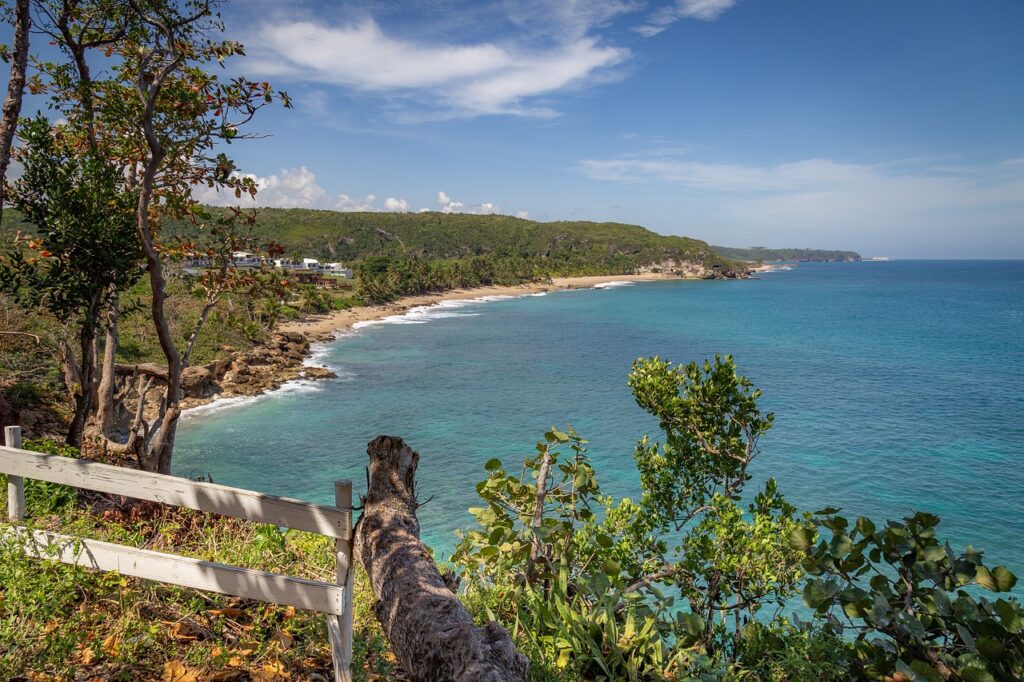
Free Things to Do in Puerto Rico – Index
- 1. Old San Juan: where “free” feels cinematic
- 2. Paseo de la Princesa and the city walls at golden hour
- 3. El Morro and San Cristóbal: how to experience the forts for free (or almost free)
- 4. Beach days that cost nothing: the classics and the under-the-radar picks
- 5. El Yunque National Forest: rainforest magic without an entrance fee
- 6. Piñones: mangroves, sea breeze, and a boardwalk locals love
- 7. Santurce and La Placita: street art, market culture, and people-watching
- 8. Cabo Rojo: pink salt flats and lighthouse views on a shoestring
- 9. Ponce and the south: plazas, murals, and slow-travel Puerto Rico
- 10. Culebra and Vieques on a budget: free once you arrive
- 11. Free culture, music, and festivals: how to catch the island in celebration mode
- 12. How to plan a low-cost Puerto Rico itinerary without missing the best parts
- 13. AIREVO Tips for Doing Puerto Rico for Free
- 14. FAQs About Free Things to Do in Puerto Rico
Old San Juan: where “free” feels cinematic
Old San Juan is proof that “free” can still feel like the highlight of a trip. The neighborhood is compact, walkable, and built for wandering: cobblestone streets that slow your pace, pastel buildings that look painted for photos, and sudden ocean views that appear at the end of streets like a reward. The best plan is to arrive early, before the heat and crowds peak, and let the city unfold block by block. In the morning, the colors look sharper, the shadows are dramatic, and you can actually hear the city—footsteps, distant music, and the soft rush of wind coming off the bay.
As the day goes on, Old San Juan becomes a different experience. Midday is bright and lively, while late afternoon leans into golden light that makes balconies glow and walls look warmer and richer. Even if you spend nothing, you’ll still leave feeling like you’ve “done” the city—because the atmosphere is the attraction. For travelers who want extra context without committing to a group tour, a self-paced audio guide can add meaning to what you’re seeing while keeping the day flexible with WeGoTrip.
The best time to wander
Morning is ideal for quiet streets and softer temperatures, but sunset is when Old San Juan becomes unforgettable. The light turns honey-colored, the bay breeze feels cooler, and the neighborhood shifts from sightseeing to evening ritual. If the day is warm, a second stroll after sunset feels like a reset: the stones hold the day’s heat, the lamps soften the scene, and the city feels intimate rather than busy.
Adding context without turning it into a rigid tour
Old San Juan rewards travelers who want more than pretty streets. The city is layered—colonial history, maritime strategy, cultural identity—and even small details become more interesting when they have a story attached. Many travelers find that a light layer of context makes the experience richer without changing the vibe. If flights are still being compared for the trip, flexible dates can sometimes unlock big savings on routes in and out of the island with AIREVO.
Paseo de la Princesa and the city walls at golden hour
Paseo de la Princesa is one of San Juan’s most effortlessly beautiful free experiences. It’s a waterfront promenade lined with classic lampposts, shade, and open bay views that make even a simple walk feel special. The route naturally leads toward the iconic gate area, and the whole atmosphere—sea breeze, street performers at times, locals strolling—feels like a scene designed for slowing down. It’s worth doing twice if possible: once during the day when everything looks crisp and bright, and once near sunset when the light turns warmer and the promenade feels almost cinematic.
From the paseo, it’s easy to continue along the old defensive lines and walls. Even without paying for any interior sites, walking the perimeter gives a strong sense of scale—how the city was built to endure, and how the ocean was both a lifeline and a threat. If arriving early or leaving late creates a gap where luggage becomes a burden, storing bags makes it possible to keep exploring comfortably: RadicalStorage.
In daylight, the paseo feels airy and social, with the bay sparkling and the city looking almost too colorful to be real. Near sunset, everything slows down. The breeze is cooler, the light is softer, and the walk becomes less about “seeing sights” and more about absorbing the city. Tracing the walls turns a casual stroll into something more dramatic. The stone feels massive up close, and the ocean views from different angles help explain why this city mattered strategically. The walk also naturally connects to other Old San Juan wandering, which makes it an easy “free anchor” for the day.
El Morro and San Cristóbal: how to experience the forts for free (or almost free)
Castillo San Felipe del Morro and Castillo San Cristóbal are iconic for a reason: they’re imposing, photogenic, and positioned like guardians at the edge of the Atlantic. Entering the forts is a paid experience on most days, but the surrounding areas deliver a surprisingly complete “fort feeling” for free. The exterior views, the massive walls, the ocean backdrop, and the sense of standing where centuries of history passed through—those elements are still available without a ticket.
The most famous free moment here is the grassy field outside El Morro, where locals fly kites and families picnic in the steady ocean wind. It’s one of those places where time stretches pleasantly. Bring water, sit for a while, watch the sky, and let the day slow down. If traveling with kids or planning around special dates, fee-free opportunities can exist on certain designated days, depending on the year.
Checking official park updates before visiting helps with expectations, but even when entry isn’t free, the area still offers a high-impact experience at no cost. Pairing the visit with Old San Juan streets and the promenade creates a full day that feels complete without adding paid stops. The best free version of the forts is built around views and atmosphere: walking the edges, photographing the walls, feeling the wind, and spending time in the kite-flying field. The setting does the heavy lifting.
Beach days that cost nothing: the classics and the under-the-radar picks
Puerto Rico makes it easy to build a trip around beach time without paying admission fees. In the San Juan area, beaches like Condado and Isla Verde are simple, social, and low-effort—perfect for travelers who want a relaxing day that doesn’t require planning. The key to keeping beach days truly low-cost is arriving earlier for easier parking and bringing essentials so “free” doesn’t quietly turn into multiple small purchases.
For a day that feels more like a mini escape, beaches outside the city can deliver a different mood: fewer high-rises, more open space, and a calmer sense of pace. The best budget beach days often have the same structure: a slow morning, a long midday swim, shade breaks, and a late-afternoon wind-down. If planning to move between multiple beaches across the island, a rental car can make the itinerary far easier and sometimes cheaper than stacking rides: EconomyBookings.
Staying near the city makes beach time almost automatic. It’s easy to fit in a swim before dinner or turn an empty morning into a full beach day. The more spontaneous the beach plan, the more it tends to feel like a true vacation. A towel, sunscreen, water, and a snack are the difference between “we stayed all day” and “we kept paying for convenience.” Puerto Rico’s sun is intense, and being prepared keeps both the budget and the mood steady.
El Yunque National Forest: rainforest magic without an entrance fee
El Yunque is one of Puerto Rico’s most powerful experiences because it flips the island’s image from beach paradise to rainforest wonderland. The air feels different almost immediately—cooler, greener, full of bird sounds and the rush of water in the distance. In many cases, access to the forest itself is free, while certain facilities like the visitor center may charge a separate fee. The value here is not in a building; it’s in the canopy, the overlooks, and the trails that make the island feel wild and alive.
El Yunque weather changes quickly, which is part of the magic. A sunny drive can become misty within minutes, and a trail can shift from easy to slippery after a quick shower. Start early, bring water, wear shoes with grip, and accept that a little rain often makes the forest more beautiful. If joining a curated experience makes sense for a specific travel style—especially for travelers without a car—day options can be booked as a single add-on: Klook.
A full rainforest day can happen without paying for extras, especially when the goal is hiking, viewpoints, and nature. The forest itself is the main event. Packing snacks and water prevents the day from becoming expensive in small ways. A light rain jacket is often enough; heavy gear isn’t required, but readiness matters.
Piñones: mangroves, sea breeze, and a boardwalk locals love
Piñones is where a free day starts to feel like living locally. Close to San Juan, the area mixes coastal scenery with mangrove ecosystems and a laid-back energy that pulls travelers out of “tour mode.” The boardwalk is the star: a long route where the scenery changes gradually—beach to greenery to mangroves—without requiring an entrance fee. It’s ideal for a slow walk, an easy bike ride, or a casual afternoon that ends with a simple snack and a sea breeze.
Piñones also rewards travelers who like to observe daily life. Families arrive in groups, music drifts in and out, and the whole place feels like a weekend ritual rather than a tourist product. For travelers who want reliable navigation and data while moving around outdoor areas without hunting for Wi-Fi, an eSIM can be a small upgrade that prevents logistical headaches: Airalo.
The route is flexible—walk a little, turn back when it feels right, or keep going until the landscape changes again. The beauty is in the simplicity: shade, water, and the feeling of being close to nature without needing a formal “park experience.” Piñones feels alive because it’s used. It’s not curated or polished. That’s exactly why it feels authentic.
Santurce and La Placita: street art, market culture, and people-watching
Santurce is where San Juan feels most current: bold, creative, and constantly in motion. If Old San Juan is the island’s cinematic past, Santurce is its present tense—street-level culture you don’t “visit” so much as move through. The best part for travelers is that you can experience it almost entirely for free. Start by walking slowly and letting the neighborhood reveal itself: murals stretching across full building facades, pasted posters layered like collage, and small details—tiles, signage, color choices—that make it clear you’re in a place with a strong point of view.
Street art here isn’t just decorative. It often speaks to Puerto Rican identity, history, politics, joy, and resilience, and it changes over time. One wall might feature a massive portrait that becomes a landmark for months; another might be repainted in a week. That evolution is exactly what makes Santurce feel alive. Instead of chasing a checklist, follow what catches your attention and allow pauses: the corner of a mural where the artist’s signature sits, a painted doorway that turns a simple street into a photo, or a sudden pocket of shade that invites you to slow down and look longer.
A good Santurce walk also includes moments that aren’t about art at all—cafés with open doors, barbershops where conversation spills into the sidewalk, music drifting from a passing car, the hum of a neighborhood doing its daily thing. These slices of real life are what make the area so rewarding for travelers who want something more authentic than “attractions.” Weekends tend to feel more social and energetic, while weekdays can feel more like a working neighborhood with creative pockets; both versions are worth experiencing because they show different faces of the same place.
La Placita de Santurce adds a completely different dimension, and it’s one of the most satisfying “free” experiences in the city because the atmosphere itself is the attraction. During the day, La Placita still carries its market identity—practical, local, and grounded. Even if you don’t buy anything, it’s worth passing through to absorb the rhythm: people running errands, vendors arranging goods, and the sense that this is a space built for the neighborhood first. It’s a simple stop that helps you understand how San Juan functions when it’s not performing.
Later in the day, La Placita transforms. The same area that felt like a daytime market becomes a social hub—one of those places where friends meet without overplanning, where the soundtrack becomes louder, and where people-watching turns into its own kind of entertainment. You don’t need a reservation or a big budget to enjoy it. The free version is simply showing up, keeping a respectful distance from crowded spots, and letting the vibe do its thing. If you want to keep it low-cost while still making it feel like a “night out,” it helps to arrive hydrated and not starving—then, if you choose to spend, make it intentional and small rather than accidental and frequent.
Cabo Rojo: pink salt flats and lighthouse views on a shoestring
Cabo Rojo is where Puerto Rico surprises people who think the island is only beaches and rainforest. The landscape feels drier, brighter, and more dramatic—an open-sky coastline where the horizon looks huge and the wind feels like it’s polishing everything clean. The headline sight is the salt flats, which can take on pinkish tones under the right conditions, creating a surreal scene that looks almost unreal in photos. Even when the color isn’t intensely pink, the geometry of the flats and the contrast with the surrounding coastline make it a stop that feels visually “worth it” without requiring an admission ticket.
What makes Cabo Rojo especially good for a budget trip is that the best moments here are simple: walking, looking, and lingering. The area is tied to protected nature and wildlife, so it doesn’t feel like a manufactured viewpoint. It feels like the island letting you see one of its less-famous moods. Go when the sun is strong but not brutal—late afternoon is ideal—because the light becomes warmer and the landscape turns more cinematic without feeling harsh.
Nearby, the Los Morrillos Lighthouse area is a classic “big view” experience that costs nothing but a little effort. The setting is exposed, so bring water and sun protection, then give yourself time to wander rather than rushing in for a quick photo. The coastline here feels rugged and open, and it’s easy to understand why travelers remember it: the sea looks endless, the cliffs feel dramatic, and the sky often puts on a show as the day ends. If you’re staying outside San Juan and want to see Cabo Rojo without paying for multiple rides, a rental car with EconomyBookings often makes the day simpler and more cost-effective.
Ponce and the south: plazas, murals, and slow-travel Puerto Rico
Ponce offers a different kind of Puerto Rico—less fast-paced, more spacious, and full of everyday city life that doesn’t feel curated for visitors. A free day in Ponce is built around walking, pausing, and letting the city’s rhythm set your pace. The plazas and historic streets are perfect for this because they naturally invite lingering: you sit, watch people pass, notice architectural details, and feel the “living” part of the city rather than treating it as a backdrop.
The best way to appreciate Ponce on a budget is to embrace slow travel. Let the heat guide you into shade breaks, take your time with photos, and allow small discoveries to become the day’s highlight—like murals tucked onto side streets or unexpected corners where the city feels timeless. Because you’re not paying to enter attractions, the value comes from observation: how locals dress for the day, how a plaza becomes a social space, how the sound of the city shifts from morning to afternoon.
If you’re already renting a car, Ponce can fit into a beautiful cross-island day that turns the drive itself into part of the experience. The interior routes can feel like a completely different world—green mountains, changing weather, sudden viewpoints—so the “getting there” doesn’t feel like dead time. If flights are being planned tightly around an itinerary that includes multiple regions, it can help to compare flexible dates and routes into/out of Puerto Rico with AIREVO.
Culebra and Vieques on a budget: free once you arrive
Culebra and Vieques often get framed as an “extra” that costs more, but once transportation is handled, many of the best experiences are essentially free. The islands reward travelers who can slow down: long beach hours, calm water, and a sense of distance from the busy parts of the main island. The budget-friendly mindset here is simple: arrive prepared, bring what you need for the day, and let nature be the main event rather than chasing paid activities.
Culebra is especially famous for beaches that look like they belong on a screensaver—bright water, soft sand, and a relaxed atmosphere that makes even a short visit feel like a full reset. Vieques has its own version of that magic, with beach stretches that feel wide and quiet, plus the kind of rustic island character that makes the day feel unhurried. When you plan around free nature time, your spending becomes optional: snacks, a simple meal, maybe a small rental if you choose—rather than a required ticket.
If choosing one paid highlight for the entire Puerto Rico trip, bioluminescence is often the one that feels most unique—because it’s not just “another pretty view,” it’s an experience shaped by conditions, timing, and responsible access. If you decide to include it as your one splurge, booking through a reliable platform like Klook keeps logistics smoother.
Free culture, music, and festivals: how to catch the island in celebration mode
Some of Puerto Rico’s best memories happen when you stop trying to “do” things and start noticing what’s already happening around you. Plaza life, neighborhood music, and community energy are often free to witness, and they can feel more meaningful than paid attractions because they’re real-time Puerto Rico. The trick is to build breathing room into your itinerary so you’re not sprinting from one landmark to another.
In San Juan, this can look like an evening that’s intentionally unstructured: you eat earlier, walk a little, follow the sound of music, and linger where the atmosphere feels welcoming. In smaller towns, it can look like spending time in the central square and letting the day unfold naturally. Culture isn’t always a museum here—it’s often the way people gather, the way streets shift on weekends, and the way music turns public space into something shared.
If you want context for what you’re hearing and seeing—without committing to a full guided tour—an audio experience with WeGoTrip can fit well into a free-culture day, especially in historic areas where stories are everywhere.
How to plan a low-cost Puerto Rico itinerary without missing the best parts
A low-cost Puerto Rico trip works best when each day has a free “anchor” that already feels complete. Think of one main experience per day that doesn’t require a ticket: Old San Juan wandering, a full beach day, El Yunque trails, Piñones boardwalk, Cabo Rojo viewpoints, a slow afternoon in Ponce. When the anchor is free, everything else becomes optional rather than necessary. That’s how you keep spending intentional: you choose small extras because you want them, not because you’re trying to “save” the day.
Transportation is the second big decision. In San Juan, it’s easy to build a full trip without a car if you choose walkable neighborhoods and focus on city experiences. Once you start stacking day trips—Cabo Rojo, multiple beach regions, cross-island drives—a rental car with EconomyBookings often simplifies logistics and can reduce total costs compared to repeated rides. The goal isn’t “always rent a car,” it’s matching transportation to the trip you actually want.
Connectivity matters more than many travelers expect, especially when “free” days depend on navigation, trail updates, and quick decisions. Reliable data helps you avoid getting stuck, overpaying for last-minute solutions, or wasting time searching for Wi-Fi when you’d rather be outside. If you want your maps and messages to work smoothly across the island, Airalo belongs naturally in a budget plan.
Finally, protect the budget by planning like a local: carry water, bring a snack, and time your outings to avoid the hottest hours whenever possible. Those small habits don’t just save money—they keep the day comfortable, which is what makes “free” experiences feel rich.
AIREVO Tips for Doing Puerto Rico for Free
The easiest way to keep Puerto Rico affordable is to pick one “splurge lane” and let everything else stay free. That splurge could be food—because Puerto Rican cuisine is part of understanding the island—or it could be one guided experience that becomes the trip’s signature memory. Deciding in advance prevents money from leaking into forgettable conveniences and keeps your spending focused on what you’ll actually remember.
Pack like freedom is the goal. A refillable water bottle, strong sun protection, and a light rain layer for El Yunque sound basic, but they keep the day from getting expensive in small, annoying ways. Prepared travelers stay out longer, explore more comfortably, and spend less without trying to.
Leave breathing room in the itinerary. Puerto Rico’s best free moments often arrive as surprises: a sunset promenade, a neighborhood that suddenly fills with music, a beach that feels empty because your timing was right. When the schedule isn’t tight, the island has space to be itself.
If there’s a long gap between checkout and your flight, storing luggage with RadicalStorage can save both money and energy, turning a dead travel day into a final walk, a last beach stop, or one more Old San Juan loop.
For the complete guide with classic must-dos (free and paid), read our post about Things to Do in Puerto Rico. For more ideas, browse AIREVO’s free-things-to-do guides in other destinations: Free Things to Do in New Orleans, Chicago, Tampa, Atlanta, Greenville, and Las Vegas.
FAQs About Free Things to Do in Puerto Rico
Is Puerto Rico expensive to visit?
It can be, but it doesn’t have to be. Puerto Rico has plenty of paid tours and resorts, yet many of the best experiences—beaches, historic neighborhoods, promenades, plazas, and nature—are free or low-cost if you plan around them.
What are the best free things to do in San Juan?
Walking Old San Juan, strolling Paseo de la Princesa, enjoying the fort exteriors and kite field, exploring Santurce murals, and spending time on Condado or Isla Verde beaches are among the best free options.
Is El Yunque free?
Access to the forest is often free, while some facilities may charge separate fees. It’s smart to check current guidance close to your travel dates, but a full rainforest day can still be built around hiking and viewpoints without paying for extras.
Can you enjoy El Morro without paying?
Yes. The exterior views and the huge grassy field outside El Morro are free and often become a highlight on their own, especially with kite-flying and ocean wind.
Do I need a car to do free things in Puerto Rico?
Not necessarily in San Juan, where walking and short rides work well. For day trips across the island—Cabo Rojo, multiple beaches, or scenic drives—rent a car with EconomyBookings can make logistics easier and sometimes cheaper overall.
Are Culebra and Vieques budget-friendly?
They can be, especially once transportation is handled. Many of the best experiences are nature-based and free once you arrive, particularly beach time. A single paid highlight with Klook like bioluminescence can be chosen as an intentional splurge.
Do not miss our newest articles!

All Rights Reserved.
Made with 🧡 by Marc Guerrero.
Made with 🧡 by Marc Guerrero. All Rights Reserved | Affiliate Disclosure | Cookies Policy | Legal Notice | Privacy Policy | Terms & Conditions